
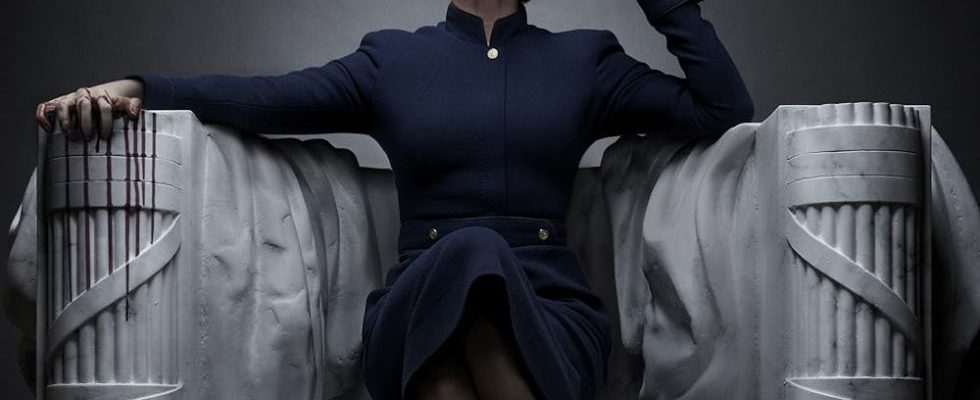
Greetings! Today, I’m diving into the series House of Cards, a groundbreaking drama that changed the landscape of streaming television, offering a chilling look at political ambition.
Advertisements
House of Cards debuted on February 1, 2013, and concluded its run on November 2, 2018, spanning six seasons and featuring 73 episodes. Created by Beau Willimon and inspired by Michael Dobbs’s British series, this Netflix original follows Frank Underwood’s ruthless ascent through Washington D.C.’s power corridors. Each episode lasts about 50-60 minutes, marking Netflix’s first significant original series that established streaming as a viable medium for high-quality television.
Set in modern-day Washington D.C., the plot centers on Frank Underwood, a cunning Democratic congressman from South Carolina. After betrayal by the White House, he orchestrates a complex plan to rise in politics. House of Cards doesn’t shy away from the darker aspects of American governance, showcasing manipulation, blackmail, and even murder as means to an end. Through direct-to-camera addresses, Shakespearean plots, and a stark look at corruption, this show redefined the political drama genre with timeless relevance.
Inside the Underwood Political Tactics
In House of Cards, idealism is overshadowed by pragmatism. The series reveals the operations of political power behind the scenes—from secret deals and corrupt lobbying to media manipulation and voter fraud. The alliance between Frank and Claire exemplifies politics as a marriage of convenience, where ambition trumps every other factor.
The brilliance of the show lies in its ability to make viewers complicit in Frank’s schemes through his direct engagement with the audience. This breaking of the fourth wall turns viewers into accomplices of political corruption, eliciting both fascination and revulsion. The series highlights how charm and skill can conceal moral emptiness, crafting a lead character who is both captivating and detestable.
Frank Underwood: Portrait of a Political Antihero
Kevin Spacey’s portrayal of Frank Underwood is a standout in television, blending down-home charisma with cold-blooded calculation. Frank epitomizes the quintessential political player, fully aware that power is the only true currency in Washington. His transformation from House Majority Whip to President exposes the corruption deeply embedded within American politics.
Over five seasons, Frank’s character illustrates that unchecked ambition can lead to monumental achievements while obliterating meaningful aspects of life. Spacey’s masterful performance conveys Frank’s allure and strategic intelligence, all while reminding audiences of his inherent monstrosity. This character serves as a reflection on the potential for capable individuals to become agents of moral corruption.
Claire Underwood: The Force in the Shadows
Robin Wright’s Claire Underwood is a compelling figure, evolving from the supportive spouse to a formidable political player. Claire embodies a distinct political archetype, merging social acumen with personal ruthlessness, highlighting how women confront power structures meant to marginalize them.
The dynamics between Claire and Frank create the heart of the narrative: a union that is equal parts genuine companionship and strategic partnership. Wright’s performance showcases Claire’s growth into a leading role, especially in the final season, where she takes center stage. Her journey dives into themes of gender, power, and the cost of ambition in a male-dominated landscape.
Democracy Under Siege
The series intensifies when Frank’s political strategies devolve into outright criminality. The murders, voter manipulation, and dismantling of democracy illustrate the perilous endgame of unrestrained political ambition. These plotlines expose how easily the foundations of democracy can be dismantled by individuals willing to forsake moral integrity.
House of Cards is especially impactful in its portrayal of how corruption permeates institutions, turning once-honorable individuals into either perpetrators or victims. It effectively shows that the true danger to democracy arises not from external adversaries but internal decay, where those meant to uphold the system become its greatest threats.
Streaming Success and Legacy
House of Cards emerged as Netflix’s flagship original series, validating the platform’s capability to rival traditional television networks in quality and cultural significance. The series was instrumental in establishing Netflix as a viable content creator and popularizing the binge-watching model. Despite controversies surrounding its lead actor complicating its legacy, House of Cards remains a vital example of political thriller married with profound character exploration, garnering numerous Emmy nominations and proving that audiences appreciate complex characters in serialized storytelling.
Reflecting on American Political Power
If you enjoy political dramas, character studies of corruption, or narratives that uncover the shadows of democracy, House of Cards is essential viewing on Netflix. The show’s blunt exploration of political power and ethical dilemmas offers a viewing experience that is both engaging and unsettling.
How This Series Changed Television
House of Cards transcends conventional political drama, serving as both entertainment and a cautionary tale about democracy’s precariousness. Through outstanding writing and performances, it creates a viewing experience that feels both fictional and disturbingly real. Whether you are captivated by its psychological depth, political commentary, or suspenseful elements, House of Cards challenges viewers while mastering serialized storytelling. Its in-depth look at power, corruption, and moral compromise makes it a crucial piece in understanding American politics and the evolution of streaming content.
Series Overview
Episode Count: 73 episodes (series completed) Streaming Platform: Netflix (exclusively) Broadcast Years: 2013-2018 IMDb Score: 8.7/10 (early seasons), 2.6/10 (final season) Film Genre: Political Thriller, Drama Production Type: American Television Series Status: Completed series Lead Roles: Kevin Spacey (Frank Underwood, Seasons 1-5), Robin Wright (Claire Underwood) Main Supporting Cast: Michael Kelly (Doug Stamper), Mahershala Ali (Remy Danton), Kate Mara (Zoe Barnes)