
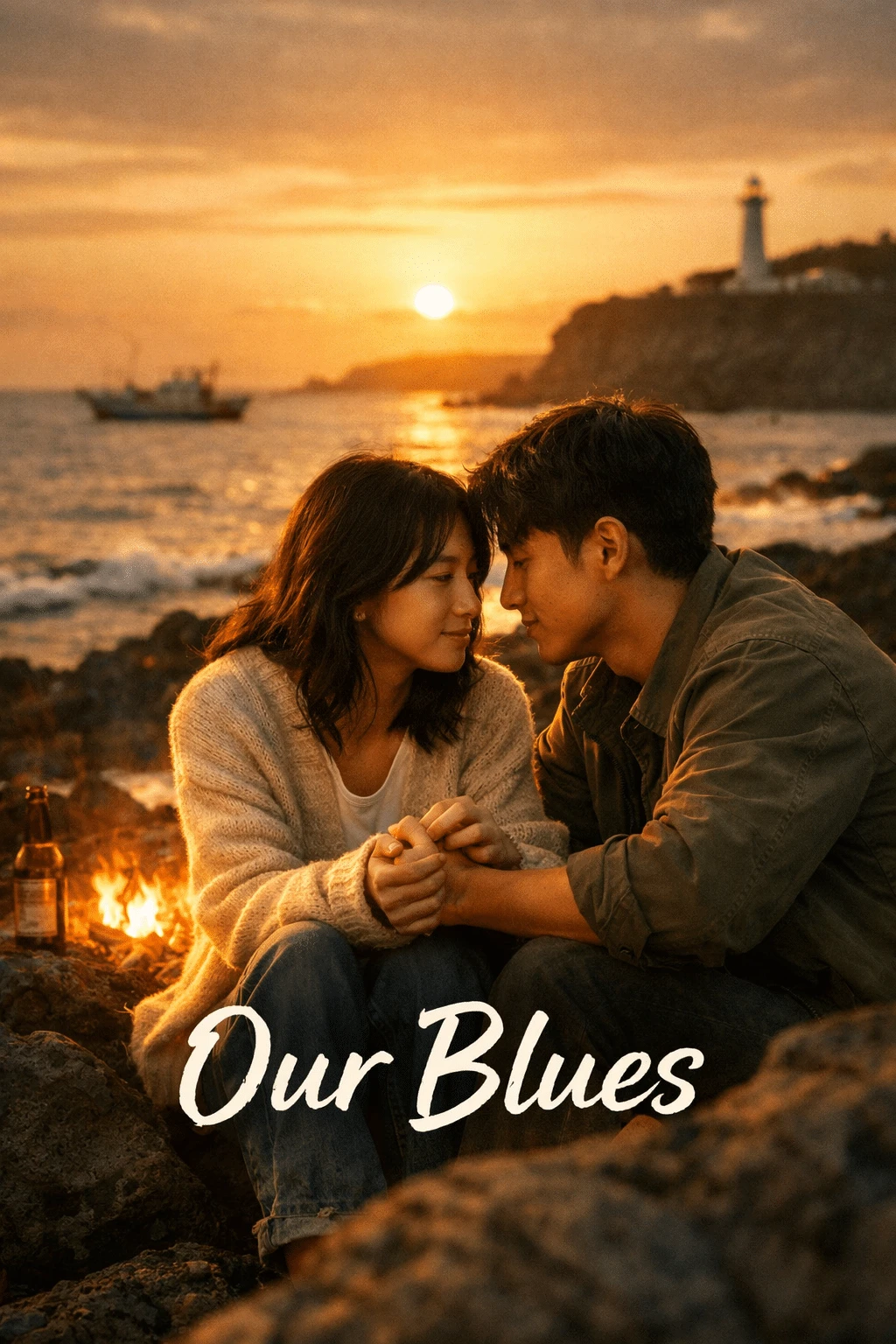
Hello, everyone! How’s everything? Today, I’m excited to share my thoughts on the drama Our Blues, which has touched hearts globally with its stunning depiction of community life available on Netflix.
Advertisements
This slice-of-life ensemble drama made its debut in April 2022, comprising 20 episodes, each running about 80 minutes, on Netflix. Set against the beautiful backdrop of Jeju Island, the series intertwines various narratives that delve into the intricacies of human connections, family relationships, and personal development. Rather than adhering to the typical K-drama format that concentrates on a singular romantic plot, Our Blues unfolds as an anthology, following different residents of a small island community as they face life’s trials and victories.
The series distinguishes itself through its authentic representation of everyday individuals encountering remarkable situations, creating a rich tapestry of human experiences that resonates with viewers from diverse backgrounds. Each episode shifts focus among various characters while sustaining overarching themes of resilience, forgiveness, and the strength found in community support.
Interconnected Lives in a Shared Community
The narrative unfolds through several intertwined stories revolving around the inhabitants of Jeju Island. Central to these tales are Lee Dong-seok, a former soccer player turned truck driver, and Min Sun-ah, a successful woman returning to her roots with hidden truths from her past. Their rekindled romance serves as a primary connection between the various narratives.
Other significant plots feature the youthful romance of Park Jung-jun and Choi Han-su, teenage lovers grappling with an unexpected pregnancy; the journey of Bang Ho-sik and Lee Yeong-ju, middle-aged individuals discovering love later in life; and the complicated bond between Ok Dong-seok and his daughter as they face past wounds and misunderstandings. Each narrative explores diverse stages of life and love, from adolescent affection to companionship in old age.
Lee Dong-seok and Min Sun-ah: A Second Chance at Love
Dong-seok represents the common man who has encountered both triumph and defeat, learning to find happiness in simple island living. His character arc delves into themes of redemption and second chances, as he rebuilds his life following the end of his soccer career due to injury. His connection with Sun-ah becomes a pivotal force in confronting his past regrets and allowing himself to love again.
Sun-ah embodies the successful urban woman who returns home to confront unresolved past issues. Her path includes facing family trauma, societal expectations, and her own fears regarding vulnerability. The chemistry between these two characters fosters a mature romance that feels genuine and rooted in real emotional growth rather than theatrical gestures.
Park Jung-jun and Choi Han-su: The Trials of Young Love
The teenage plotline delivers some of the drama’s most emotionally intense moments, as Jung-jun and Han-su deal with an unexpected pregnancy that compels them to mature quickly. Their story examines themes of responsibility, family pressure, and the burdens of choices that will shape their futures.
These young characters symbolize hope and resilience, illustrating how love can endure even the most challenging situations when supported by understanding families and communities. Their transition from carefree teenagers to young adults facing real-life consequences creates some of the series’ most impactful emotional moments.
The Culmination of Interwoven Stories
The series reaches its emotional zenith in episodes that unite all the narratives during community crises and celebrations. These moments of convergence reveal how individual struggles impact the entire community and how collective support can guide people through their darkest times. The climax episodes illustrate the true essence of belonging, demonstrating that home is not merely a location but the people who stand by you.
The resolution of each narrative feels genuine and earned, steering clear of neat Hollywood endings in favor of realistic outcomes that acknowledge both progress and ongoing challenges. The series successfully conveys that life continues beyond dramatic moments, and healing is an ongoing journey rather than a destination.
The Pulse of Community
The extensive supporting cast adds depth and authenticity to the island setting, with each character playing a vital role in the overall narrative of community life. From local shop owners to elderly residents with their own love stories, every character feels integral to the world the series creates.
The series excels in depicting different generations coexisting and learning from one another, illustrating how wisdom flows between age groups and how each generation faces universal human challenges in their unique ways.
A Netflix Success Story
Our Blues has achieved remarkable success on Netflix by providing viewers with something distinct from standard K-drama offerings. Global audiences were captivated by its genuine representation of Korean island life, its mature handling of intricate themes, and its ensemble cast featuring beloved actors like Lee Byung-hun, Shin Min-a, and Kim Woo-bin. The series received acclaim for its cinematography that highlights Jeju Island’s natural beauty, alongside its realistic storytelling that sidesteps melodramatic clichés. Its anthology format allowed viewers to engage with multiple narratives while experiencing the richness of community life.
If you’re a fan of character-driven dramas filled with authentic human stories and stunning settings, Our Blues is an ideal series to binge-watch on Netflix. It’s a skillfully crafted drama that celebrates the beauty of everyday life and reinforces the notion that the most profound stories often emerge from the simplest human connections.
Série Detalhes:
Número de Episódios: 20 episodes
Plataforma: Netflix
Avaliação: 8.9/10 IMDb
Gênero: Slice of Life, Romance, Family Drama
Protagonistas: Lee Byung-hun (Lee Dong-seok), Shin Min-a (Min Sun-ah), Kim Woo-bin (Park Jung-jun), Han Ji-min (Lee Yeong-ju)
Antagonista: Life circumstances/Personal struggles (no traditional villain)