
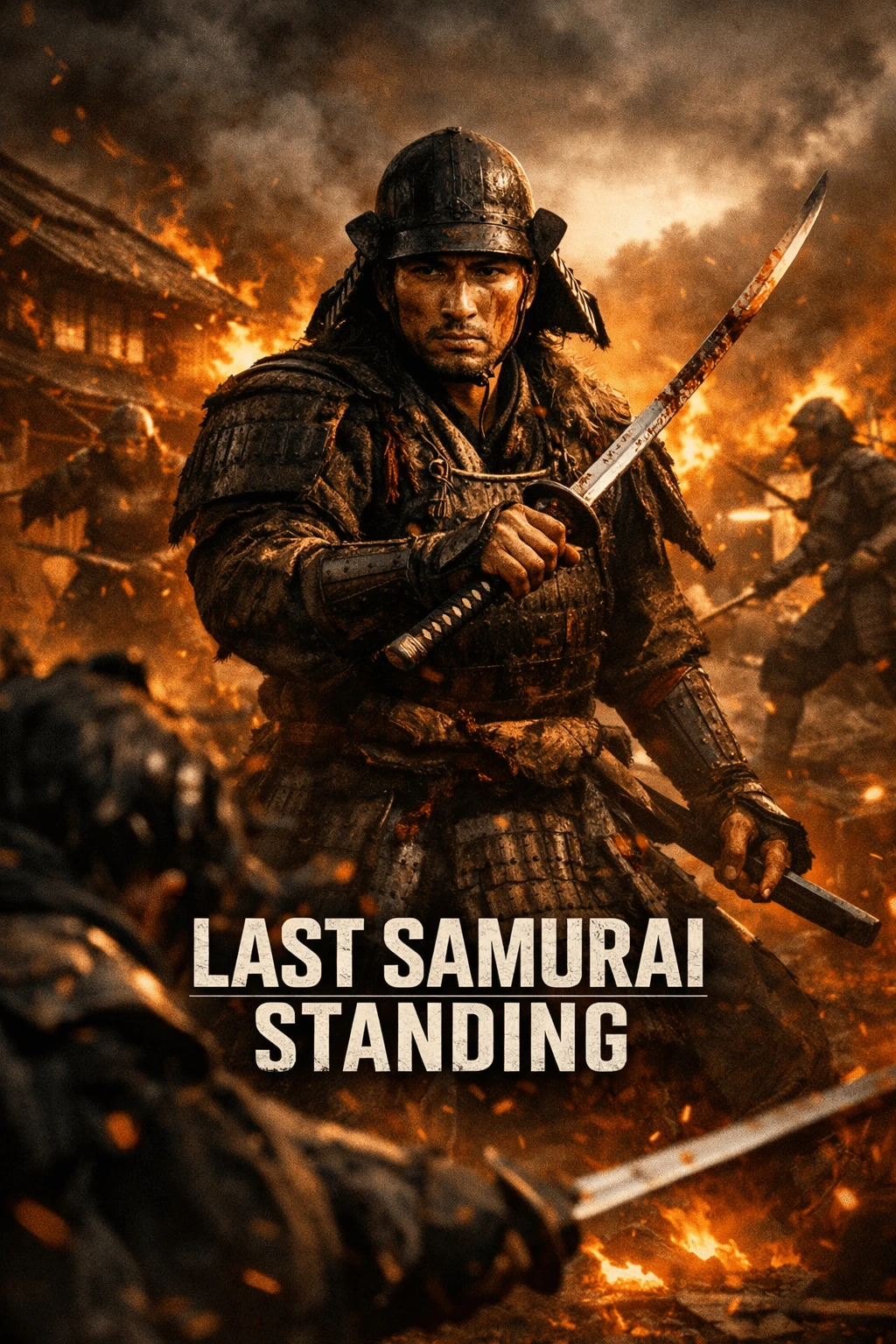
The Final Samurai: A Battle for Survival
“The Final Samurai” stands out as one of Netflix’s most ambitious and eagerly awaited projects for 2025, aiming to transform the realm of Japanese historical dramas through a daring concept that melds aspects of “Shōgun” with the psychological intensity of “Squid Game”. Directed by Michihito Fujii and adapted from Shogo Imamura’s celebrated manga “Ikusagami”, the series plunges viewers into the twilight of the samurai epoch, where ancestral honor collides brutally with the harsh truths of survival.
Advertisements
Historical Background and Story Foundation
Set in 1878 during the Meiji era, the series encapsulates a pivotal period in Japanese history when samurai were stripped of their elite status and compelled to adjust to the nation’s modernization. This historical shift serves as an ideal backdrop for a story that not only examines physical combat but also addresses the existential struggles of warriors witnessing their code of life becoming irrelevant.
The main concept is both straightforward and strikingly impactful: 292 adept warriors convene at Tenryuji Temple in Kyoto, lured by an extravagant reward of 100 billion yen. What ensues is a lethal game of survival where only the last samurai remaining can achieve victory and, crucially, the chance to protect their family.
Character Arcs and Motivations
At the heart of this monumental clash is Shujiro Saga, skillfully played by Junichi Okada, a determined warrior who enters the contest with a singular aim: to save his ill wife and child. This personal drive elevates the narrative beyond mere action, making each encounter a life-or-death moment laden with profound emotional stakes.
Okada, who also acts as a producer and choreographer for the action, infuses a raw authenticity into the character, showcasing not only combat prowess but also the fragility of a man facing impossible odds. His portrayal is set to be the emotional core of the series, grounding the visual extravaganza in relatable human experience.
Directorial Approach and Visual Style
Michihito Fujii, acclaimed for projects like “The Journalist” and “18×2 Beyond Youthful Days,” brings a refined cinematic vision to the production. The director exhibits a profound grasp of both the epic scale needed to depict large battles and the subtlety required for character-centric moments.
The selection of Tenryuji Temple as the primary location is not just aesthetic but also rich in symbolism, representing both the spiritual heritage of Japan and the confined arena where fates will be determined. The art direction is expected to meticulously recreate the Meiji period, providing audiences with an authentic visual experience of the time.
Production Scale and Ambition
Featuring nearly 300 actors, each requiring tailored costumes and specific fight choreography, “The Final Samurai” marks a significant achievement in Japanese series production. The grand scale of the endeavor, likened by the director to making three films at once, promises to deliver action sequences unprecedented in Japanese television.
Junichi Okada’s involvement as the action choreographer guarantees authenticity in the fight scenes, ensuring battles that honor martial traditions while fulfilling the narrative’s needs. This meticulous attention to detail indicates that the series will prioritize realism over superficial spectacle.
Timeless Themes and Modern Context
Despite its 19th-century setting, “The Final Samurai” tackles themes that resonate universally: the fight for survival amid transformation, the clash between tradition and modernity, and the sacrifices individuals are willing to make for their loved ones. The series acts as a compelling metaphor for any society in flux, where long-held values are put to the test by new realities.
The idea of samurai honor gains a new layer when juxtaposed with the fundamental instinct for survival. This core tension is poised to create moments of deep moral contemplation, probing whether honorable principles can endure in extreme situations.
Prospects for Global Influence
The creators’ comparison of the series to “Shōgun meets Squid Game” is intentional, reflecting their ambition to blend the visual and cultural allure of period dramas with the psychological tension of survival narratives. This combination has the potential to capture the interest of both historical drama aficionados and suspense enthusiasts alike.
Netflix’s investment in this specifically Japanese tale with universal themes signifies confidence in its international appeal, suggesting that “The Final Samurai” could mirror the global successes of other Asian productions on the platform.
Anticipations and Final Thoughts
“The Final Samurai” is poised to become a milestone in modern Japanese entertainment, aiming to elevate production values for historical dramas while delivering a narrative that resonates emotionally. The blend of established talent, high-quality production, and a distinctive story premise creates substantial anticipation.
The series has the capability to redefine standards for the genre, showing that period dramas can honor historical traditions while innovating in their storytelling. If realized with the promised excellence, it could set a benchmark for future projects in the field.
With its combination of visual grandeur, emotional richness, and thematic significance, “The Final Samurai” aspires to be more than just entertainment – it aims to be a cinematic journey that respects both the samurai legacy and the expectations of contemporary viewers. The series represents not only the conclusion of an era in storytelling but potentially the onset of a new perspective on Japanese historical dramas.