
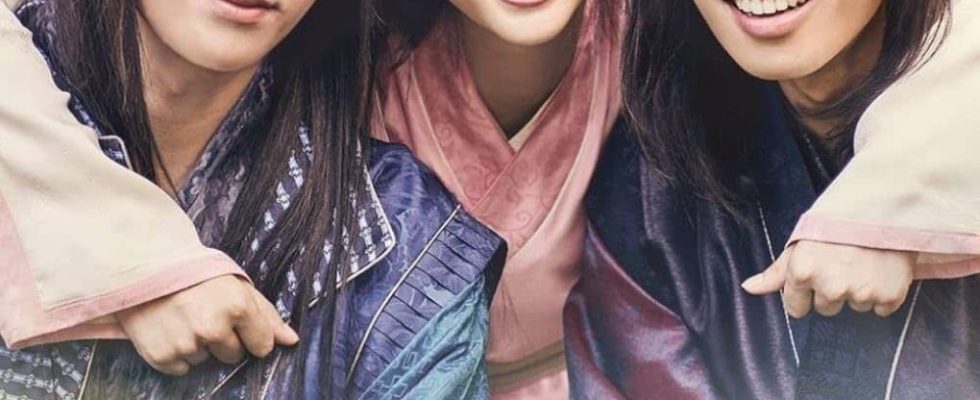
Greetings! Today, I delve into the visually arresting and emotionally charged K-drama Hwarang, a narrative that intricately weaves themes of camaraderie, romance, and the lives of elite youthful warriors in ancient Korea.
Advertisements
Hwarang made its debut on December 19, 2016, airing on KBS2 for a single season comprising 20 episodes until February 21, 2017. The series, crafted by Park Eun-young, showcases a compelling coming-of-age journey set in the Silla Kingdom, featuring performances by Park Seo-joon, Go Ara, and Park Hyung-sik. Each episode, approximately 60 minutes in length, marks the acting debut of BTS member V and introduces viewers to a talented ensemble of emerging Korean actors.
Set in the 6th-century capital of the Silla Kingdom, Seorabeol, the narrative centers around a group of elite young warriors known as Hwarang, who are educated in martial arts, poetry, and leadership. Hwarang transcends mere depictions of historical combat; it delves into profound themes of brotherhood, identity, social stratification, and the harrowing transition from adolescence to adulthood, all amidst a backdrop of political intrigue and royal succession. With its stunning cinematography, exceptional ensemble cast, and a masterful blend of action and emotional depth, the series offers a viewing experience that is both grand and intimately personal.
The Hwarang Realm: Where Warriors Emerge as Poets
Hwarang paints a picture of the Silla Kingdom as a culture where young men from noble lineages are groomed not only as warriors but as well-rounded leaders, skilled in both combat and the art of poetry. The series examines how the Hwarang institution operates as both a military academy and a refinement school, enabling aristocratic youth to break through class barriers while preparing for future leadership. Through elaborate training sequences, royal ceremonies, and heartfelt interactions, the series builds a rich world that reveals the deeper personalities of its characters beneath their aristocratic exteriors.
The brilliance of the series lies in its portrayal of the Hwarang as flawed individuals grappling with questions of identity, loyalty, and the overwhelming pressure to meet unattainable expectations. Through intense training, poetic challenges, and clandestine romantic encounters, Hwarang adeptly illustrates the delicate balance these elite youths must maintain between their personal aspirations and their political obligations while forging friendships that will significantly impact their lives.
Moo-myung/Dog-bird: The Outsider’s Journey
Park Seo-joon’s portrayal of Moo-myung, a common-born youth who adopts the identity of his deceased best friend to infiltrate the Hwarang, is both captivating and layered. Moo-myung serves as an outsider, embodying values distinct from those of his aristocratic companions due to his humble beginnings. His character arc poignantly explores themes of identity, belonging, and the impact of birth on individual worth and potential.
Throughout Hwarang, Moo-myung’s endeavor to maintain his false identity while nurturing authentic relationships with his fellow Hwarang creates a palpable tension within the narrative. Park Seo-joon’s performance encapsulates Moo-myung’s gritty resilience juxtaposed with the vulnerability he experiences through genuine friendship for the first time. His journey becomes an exploration of how meaningful connections can reshape one’s self-perception and place within the world.
Sam Maek-jong/Ji-dwi: The Concealed Monarch
Park Hyung-sik’s nuanced performance as Sam Maek-jong, who later reveals his royal lineage as the future King Jinheung, adds depth to the narrative. Ji-dwi embodies the weight of inherited authority, navigating the complexities of leadership while striving to understand the populace he will one day govern. His character explores the themes of duty, sacrifice, and the isolating nature of ultimate responsibility, even amidst close companions.
The friendship between Ji-dwi and Moo-myung serves as the emotional core of the series, two young men concealing their true selves who discover profound connections despite their deceptions. Park Hyung-sik masterfully illustrates Ji-dwi’s transformation from a sheltered prince to a capable leader, revealing how camaraderie and rivalry can drive an individual to realize their full potential.
When Brotherhood Confronts Its Greatest Challenges
The series culminates in its most poignant moments during the concluding episodes, wherein the unveiling of Moo-myung’s and Ji-dwi’s true identities precipitates a clash between their friendship and political obligations. The revelation of Moo-myung as a commoner seeking revenge and Ji-dwi as the king whose policies he opposes transforms their bond into a broader conflict encompassing justice, loyalty, and the essence of leadership.
These climactic episodes illustrate how personal connections can morph into political discourses, where individual choices resonate across entire kingdoms. The narrative ultimately conveys a vital message: authentic leadership necessitates an understanding of people across all social strata, while true friendship can overcome even the most formidable obstacles.
A Triumph on KBS2 and Beyond
Hwarang emerged as a prominent historical drama on KBS2, receiving accolades for its breathtaking visuals, strong ensemble cast, and successful fusion of romance, friendship, and political intrigue. The series underscored the audience’s appetite for coming-of-age narratives set against historical backdrops, especially when paired with high production values and compelling character arcs. Hwarang continues to be accessible on Netflix, Viki, and various international streaming platforms, and the inclusion of BTS V’s acting debut enhances its appeal to K-pop aficionados. The format of ensemble historical drama that emphasizes youth and friendship has significantly influenced subsequent K-dramas. Hwarang continues to draw in new viewers who appreciate its amalgamation of historical authenticity, stunning visuals, and deeply engaging character relationships.
A Visual and Emotional Tour de Force
For fans of historical dramas, coming-of-age tales, or K-dramas that delve into themes of friendship and identity, Hwarang is an essential series to binge-watch on Netflix. Its striking visuals, captivating characters, and exploration of brotherhood provide a viewing experience that is both entertaining and emotionally resonant.
Why This Series Exemplifies Excellence in Historical K-Drama
Hwarang rises above the typical historical drama by functioning both as an epic period piece and an intimate character exploration of the bonds formed among youths confronting insurmountable expectations. The series masterfully blends stunning production design with heartfelt storytelling, illustrating how friendship and love can thrive even within strict social hierarchies and political constraints. Its commitment to character development in a meticulously researched historical context makes it mandatory viewing for those in search of K-dramas that merge visual splendor with genuine emotional depth. Whether drawn to its historical elements, romantic narratives, or themes of friendship and identity, Hwarang offers a viewing experience that is both visually breathtaking and emotionally fulfilling.
Series Information
Number of Episodes: 20 episodes (completed series) Platform: Netflix (worldwide), Viki, Prime Video (various regions) Release/End Year: 2016-2017 IMDb Rating: 8.0/10 Genre: Historical Drama, Coming-of-Age, Romance Production Type: K-drama (South Korean Television Series) Status: Completed series Protagonists: Park Seo-joon (Moo-myung/Dog-bird), Park Hyung-sik (Sam Maek-jong/Ji-dwi), Go Ara (Ah-ro) Main Supporting Cast: Kim Taehyung/V (Han-sung), Choi Minho (Soo-ho), Do Ji-han (Ban-ryu), Yoo Jae-myung (Wi Hwa)