
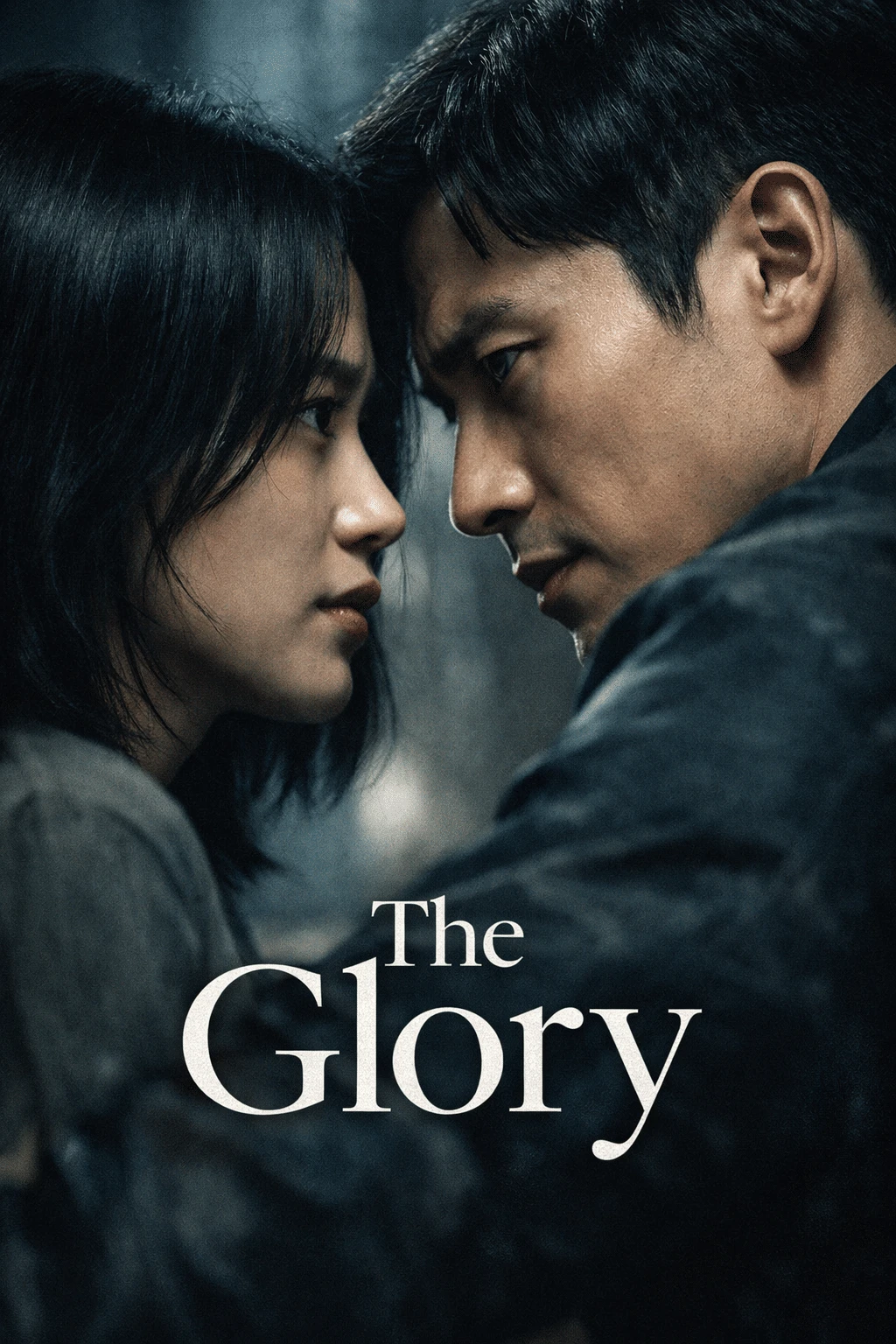
Hello, everyone! Hope you’re doing well! Today, I’m excited to discuss the drama The Glory, which has quickly become one of Netflix’s most gripping and critically praised Korean series, weaving a brilliant narrative of meticulous revenge and psychological conflict.
Advertisements
Released on Netflix in December 2022, The Glory debuted with Part 1, comprising 8 episodes, followed by Part 2 in March 2023, adding another 8 episodes for a total of 16, each averaging around 55 minutes. This original Korean series from Netflix was crafted by the renowned writer Kim Eun-sook, celebrated for her work on hits like Goblin and Descendants of the Sun.
This psychological thriller revolves around Moon Dong-eun, a former victim of bullying who carefully orchestrates her revenge against her aggressors 18 years after her harrowing experiences. The series melds psychological drama, thriller elements, and social commentary, providing a stark examination of bullying, trauma, and the extremes one might go to for justice.
The show’s dark and methodical storytelling fosters an atmosphere of unwavering tension, delving into issues of class disparity, systemic failures, and the enduring effects of childhood trauma on adulthood.
Eighteen Years of Deliberate Retribution
The Glory focuses on Moon Dong-eun, who faced severe bullying and mistreatment during her high school years, including being burned with hair straighteners and tormented by a group of affluent classmates. After dropping out and enduring a life of poverty for years, she carefully plots her revenge, taking on the role of an elementary school teacher to get close to the daughter of her main tormentor, Park Yeon-jin.
The narrative unfolds through dual timelines, depicting the horrific abuses Dong-eun suffered as a teen while showcasing her present-day execution of an intricate revenge scheme. Each episode unveils another facet of her plan as she systematically dismantles the lives of those who wronged her, leveraging their own secrets and vulnerabilities against them.
The series examines how trauma influences identity and the moral intricacies of revenge, probing whether Dong-eun’s actions represent justice or if she has become as destructive as her former tormentors.
Moon Dong-eun’s Evolution
Song Hye-kyo gives a career-defining performance as Moon Dong-eun, embodying a woman whose trauma has transformed her into a calculating agent of vengeance. Her character arc transitions from a vulnerable victim to a strategic planner who has spent nearly twenty years preparing for her moment of retribution.
Dong-eun’s transformation illustrates the psychological effects of extreme bullying and how trauma can both devastate and inspire. Song Hye-kyo skillfully portrays the character’s emotional numbness while revealing glimpses of the pain that motivates her actions, crafting a complex protagonist who is both relatable and morally ambiguous.
Park Yeon-jin’s Downfall
Lim Ji-yeon plays Park Yeon-jin, the main antagonist who has evolved from a sadistic teenager into a seemingly accomplished weather forecaster and mother. Her character embodies the privilege and immunity that allowed her past cruelty to go unpunished, living comfortably while her victim suffered.
Yeon-jin’s gradual realization that her past is returning to haunt her generates compelling dramatic tension. As Dong-eun’s plan progresses, viewers witness Yeon-jin’s meticulously crafted life unraveling, forcing her to face the repercussions of actions she believed were long buried.
The Climactic Showdown and Justice
The series builds towards a thrilling climax where Dong-eun’s intricate revenge plan comes to fruition. This confrontation entails not only a personal reckoning between victim and aggressor but also the revelation of corruption, murder, and systemic failures that enabled the original abuse.
The concluding episodes expertly balance psychological conflict with emotional release, as each perpetrator faces consequences tailored to their misdeeds. The resolution ponders whether revenge truly leads to peace and healing, or if it merely perpetuates cycles of violence and suffering.
Companions in Retribution
The Glory features intriguing supporting characters who assist Dong-eun in her quest for vengeance, including Joo Yeo-jeong (Lee Do-hyun), a plastic surgeon with his own dark history who becomes romantically involved with Dong-eun, and Kang Hyeon-nam (Yeom Hye-ran), a struggling mother who serves as Dong-eun’s inside ally.
These characters enrich the revenge narrative, demonstrating how trauma forges unexpected alliances and how the quest for justice can unite individuals from diverse backgrounds and situations.
A Netflix Sensation
The Glory emerged as a worldwide sensation on Netflix, topping charts in various nations and igniting international discussions on bullying, class inequality, and justice systems. The series received widespread acclaim for its unflinching depiction of school violence and its sophisticated approach to revenge narratives. Song Hye-kyo’s performance was especially lauded for its emotional depth and restraint, marking a triumphant return to television after focusing on films. The show’s success underscored the global demand for Korean content that addresses serious social issues while providing engaging entertainment, further solidifying Netflix’s role as a platform for international storytelling.
If you enjoy dark psychological thrillers that delve into justice, vengeance, and the enduring effects of trauma, The Glory is an ideal series to binge-watch on Netflix.
An intricately crafted tale of revenge that confronts the darkest elements of human cruelty while presenting one of the most fulfilling narratives of justice in contemporary television.
Series Information:
- Episode Count: 16 (Part 1: 8 episodes, Part 2: 8 episodes)
- Available On: Netflix
- Rating: 8.8/10 (IMDb)
- Genre: Psychological Thriller, Revenge Drama, Crime
- Main Characters: Song Hye-kyo (Moon Dong-eun), Lee Do-hyun (Joo Yeo-jeong)
- Antagonist: Lim Ji-yeon (Park Yeon-jin) and her group of former bullies including Choi Hye-jeong, Son Myeong-oh, and Lee Sa-ra